Viking Combatives, Author at Viking Combatives Skip to main content

Our Dojo’s Fresh Look for 2026 — Come Train!

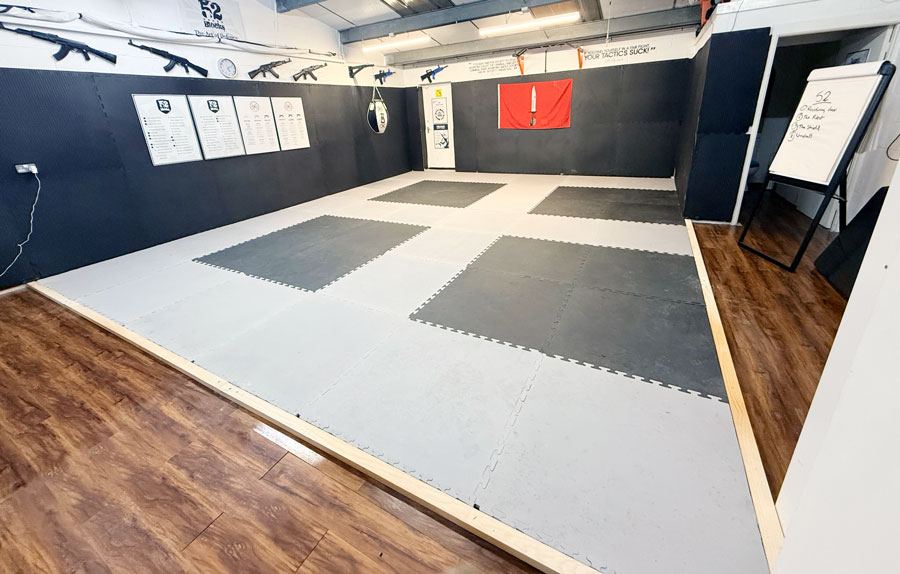
Viking Combatives dojo had a refurb this Christmas it started looking a little shabby and cluttered

After years of steady use the dojo had begun to feel crowded — clutter collected, old furniture crept in, and our small but loved space started to lose its clarity. Rather than sit back over the holidays, we decided to tackle the problem head-on. Over Christmas we rolled up our sleeves, flipped the mats, and set about making the space work harder for everyone who trains here.

First, we did a thorough clear-out. Items that had accumulated but were no longer used were removed, freeing up storage space and making the training area safer and more functional. We said goodbye to the old sofa that students tended to sprawl on and reclaimed that footprint for movement and drills. Next, we extended the vinyl flooring to provide a smoother, more durable surface across a larger area — ideal for footwork and intensive classes. Equipment was reorganized and stored more efficiently so gear is easy to access but out of the way during sessions.

The transformation wasn’t just physical — it refreshed the atmosphere. The cleaner lines and open floor plan have already improved class flow and made partner work more comfortable. The extra space means we can accommodate more dynamic warm-ups, larger groups, and more varied training formats while keeping safety and comfort front and center.

We’re proud of the hard work everyone put in to make the dojo feel welcoming and functional again. Whether you’re a long-time member, new to training, or just curious, now is a perfect time to pop in and see the improvements for yourself. Come try a class, drop by for a tour, or just say hello — our refreshed dojo is ready for 2026, and we’d love to train with you.

Exciting News: Lyte Burly Returns to the UK This October!

Exciting News:
Lyte Burly Returns to the UK This October!

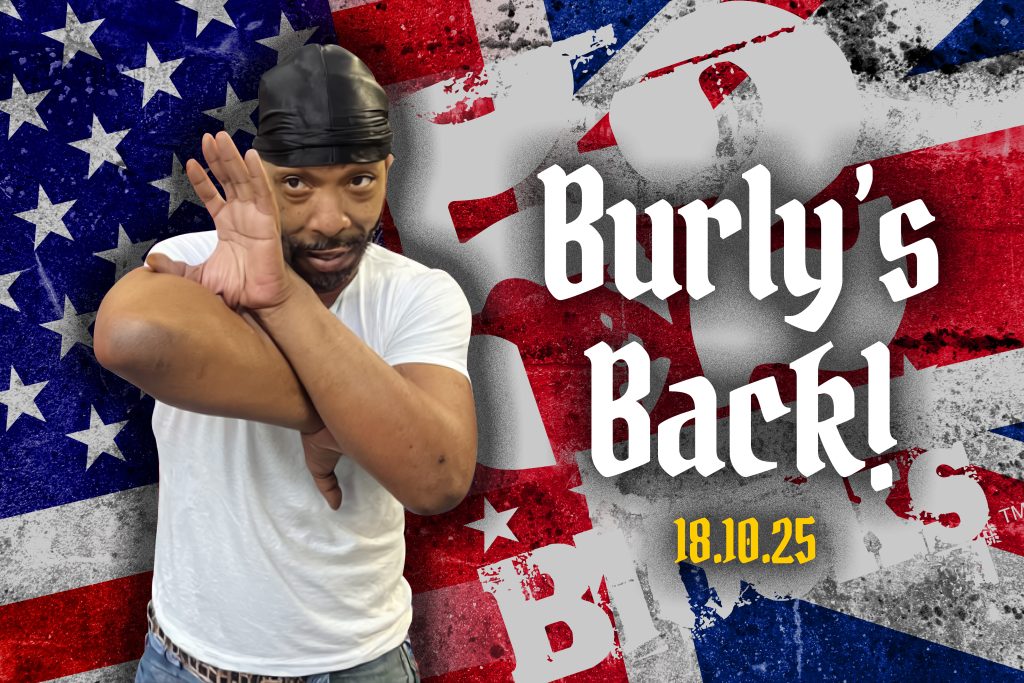
We are thrilled to announce that the renowned martial artist Lyte Burly, known for his mastery of the unique 52 Blocks fighting style, will be visiting the UK once again weekend 18/19th October. This represents a fantastic opportunity for martial arts enthusiasts across the country to witness and learn directly from one of the most prominent figures in this distinctive martial arts form.

About Lyte Burly and 52 Blocks

Lyte Burly has gained international acclaim for his expertise in 52 Blocks, a defensive martial art that boasts deep roots within the African American community and has evolved from traditional boxing and street fighting techniques. Known for its creative and adaptive strategies, 52 Blocks emphasizes fluid movement, rhythm, and the ability to protect oneself effectively. Lyte Burly brings his own unique flair and profound understanding to this art, offering participants insight into both the techniques and the rich philosophy behind 52 Blocks.

Join us at Viking Combatives Norwich

We are honoured to host Lyte Burly at Viking Combatives in Norwich, the only dedicated 52 Blocks club in the UK. This venue provides a one-of-a-kind environment for training, whether you are a beginner eager to try 52 Blocks for the first time, or an experienced practitioner looking to deepen your skills. Located in a vibrant community, Viking Combatives Norwich promises an exciting and supportive atmosphere for all participants.

Mark your calendars and don’t miss out on this unique opportunity to learn directly from Lyte Burly. Stay tuned for more details on specific dates, schedule, and registration information. We look forward to seeing you there and sharing this unforgettable experience in the art of 52 Blocks!

Lyte Burly 52 Blocks Norwich Seminar 5/6th September 2026

Price range: £50.00 through £90.00

The master of 52 Blocks Boxing will put you through your paces with dazzling footwork, bone crushing elbow blocks, feints and quality counter punching give you the extra razzamatazz with your boxing…

SKU: 32
Category:

Nothing New Under the Sun: The Interconnectedness of Martial Arts

Nothing new under the sun - interconnected martial arts

Martial arts have been practised for centuries, evolving through different cultures and regions. Despite their varied origins and distinct techniques, a closer examination reveals an intriguing interconnection among these diverse fighting systems. The saying “nothing new under the sun” aptly applies here, as the similarities between martial arts highlight the overarching theme that true mastery lies not merely in adherence to one particular style or system, but in understanding and adapting the strengths and weaknesses of various arts. This essay explores how different martial arts are closely linked, emphasising cultural influences, and the pivotal role of instructors in shaping a practitioner’s journey.

At first glance, the martial arts of China, Japan, Brazil, and other countries may appear distinct, characterised by unique forms, philosophies, and applications. For instance, Chinese Kung Fu is known for its fluidity and extensive forms, while Japanese Karate emphasises linear movements and powerful strikes. Brazilian Jiu-Jitsu focuses on ground fighting and submissions, whereas Muay Thai from Thailand excels in strikes involving the fists, elbows, knees, and shins. However, despite these differences, at their core, all martial arts share fundamental principles such as balance, timing, movement efficiency, and a keen understanding of human anatomy and psychology.

The cultural context plays a crucial role in the evolution of martial arts. Each system is a reflection of the environment and historical circumstances from which it emerged. For example, the disciplined, militaristic approach of Japanese martial arts can be traced back to the samurai code of Bushido, emphasising honour, discipline, and respect. In contrast, the Brazilian lifestyle, with its emphasis on adaptability and improvisation, is mirrored in Jiu-Jitsu’s fluid transitions and strategic problem-solving. Thus, while there might be stylistic differences, the underlying emphasis on cultural values and survival tactics remains universal.

The true essence of martial arts lies not in rigid adherence to a single system but in the practitioner’s ability to adapt and integrate. Every martial art has its strengths and weaknesses. Striking arts like Karate and Taekwondo are formidable at range but may struggle at close quarters, where grappling arts like Judo and Brazilian Jiu-Jitsu excel. Recognising this, many contemporary martial artists adopt a mixed approach, taking effective elements from multiple disciplines to become more versatile fighters. This reflects Bruce Lee’s philosophy of “using no way as way, having no limitation as limitation,” which urges practitioners to transcend the boundaries of style.

Instructors play an indispensable role in this integrative process. A skilled teacher not only imparts technical knowledge but also instils an understanding of the martial art’s philosophy and cultural significance. They encourage students to appreciate the similarities across different systems and to respect practitioners from other disciplines. Through open-mindedness and continuous learning, instructors can create a space where martial artists are encouraged to explore and adapt, rather than rigidly adhere to one brand or style.

In conclusion, martial arts are a testament to humanity’s shared need for self-defence, discipline, and self-improvement. While the techniques may vary, the similarities among different martial arts underline a universal truth: the most effective martial artist is not confined by any single system but is one who sees beyond the surface, embracing the strengths and learning from the weaknesses of all. By recognising this interconnectedness and drawing on the wisdom imparted by instructors, practitioners can cultivate a more holistic and adaptable approach to martial arts. Thus, truly, there is nothing new under the sun, except for the endless possibilities that arise from blending tradition with innovation in the ever-evolving world of martial arts.

Checkout more about what we do 52 Blocks boxing, lightning Scientific Arnis, Lyte Burly 52 Blocks

Navigating the Paradox of Choice in Martial Arts

the paradox of choice regarding choosing a martial arts club

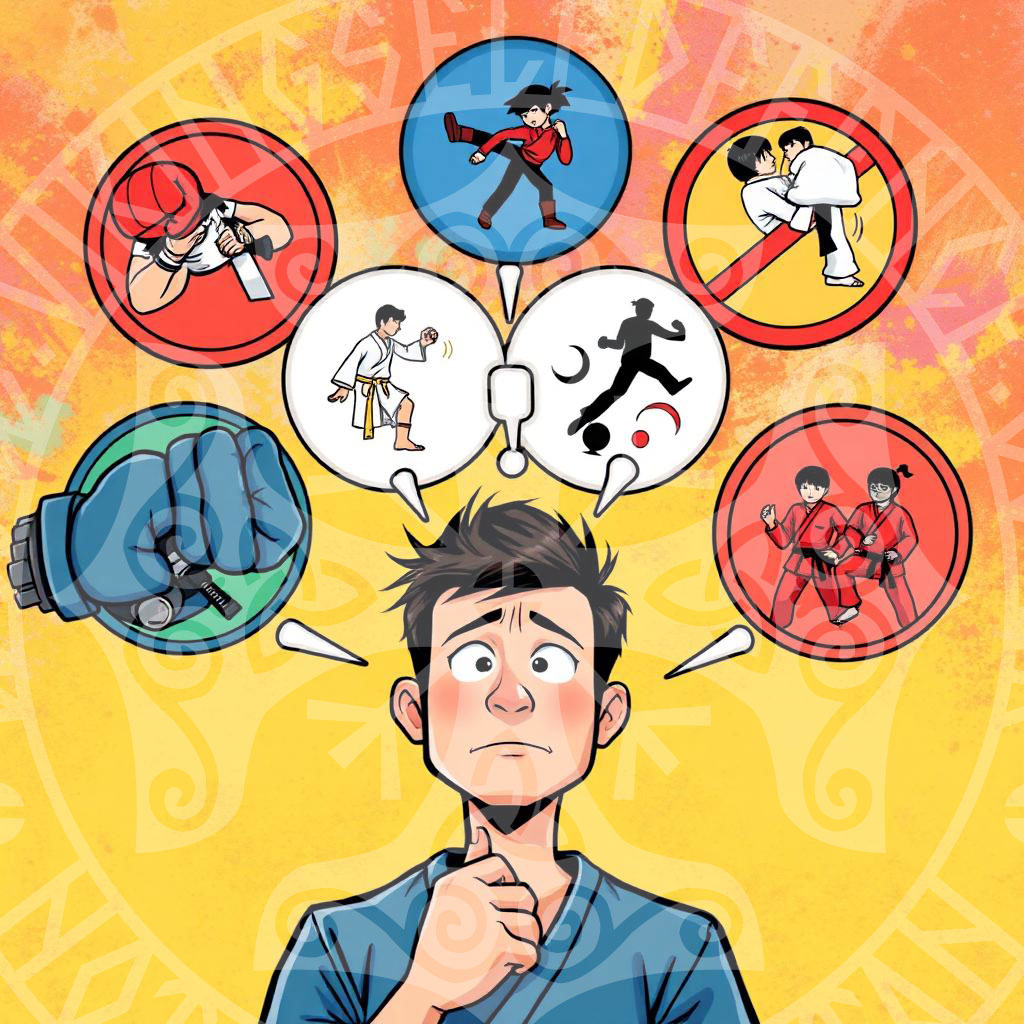
Choosing a martial arts club can be both exciting and a little daunting. The paradox of choice reminds us that while having many options seems great, it can sometimes lead to stress and overwhelm. With so many martial arts styles and clubs out there, it’s easy to feel a bit lost. But don’t worry! Here are some friendly tips to help you find the right fit:

Define Your Goals: Start by thinking about what you want to achieve. Are you looking to learn self-defence, get fit, develop discipline, or dive into a specific martial art style? Knowing your goals will help you narrow down your options.

Research Styles: Explore the different martial arts available! Each style, from Karate to Judo, Taekwondo, Brazilian Jiu-Jitsu, and Kung Fu, offers unique benefits. Dive into the history and techniques of each to see which resonates with you.

Get to Know Martial Arts: Consider martial arts as a fantastic mix of physical skills and mental strength. They promote personal growth, discipline, and respect. Plus, some arts even incorporate weapons, adding to the thrill!

Visit Combat Sports Clubs: These clubs offer a fun space to train in competitive fighting arts! Whether you’re into boxing, wrestling, MMA, Muay Thai, or kickboxing, you’ll find a welcoming community focused on skill development and fitness.

Look into Combatives: If you want something practical and straightforward for real-life situations and perfect for self-defence, combatives might suit you well! Combining various martial arts elements, these systems emphasize learning effective techniques quickly.

Attend Trial Classes: Don’t hesitate to try out a few classes! This will give you a feel for the club’s atmosphere, teaching style, and community vibe, helping you make a more informed decision.

Consider Location and Schedule: Pick a club that’s easy to get to and fits into your weekly routine. A convenient location can make it much easier to stay committed.

Evaluate Instructors: The right instructor can transform your learning experience. Research their qualifications and teaching philosophy to find someone who meets your expectations.

Budget Wisely: Determine your budget ahead of time, considering not just class fees, but also any gear and uniform costs.

Seek Recommendations: Talk to friends or check out online reviews for insights into different clubs. Hearing about others’ experiences can guide you toward the right choice.

By focusing on these criteria, you can confidently narrow down your options and find a martial arts club that’s just right for you, making the journey all the more enjoyable. Whether it’s fitness, self-defence, or just having fun, there’s a vibrant world of martial arts waiting for you—so dive in and enjoy the adventure!

Find out a little more about Viking Combatives

Prioritizing Knife Mitigation Over Disarmament Techniques

Knife mitigation the sensible and more realistic approach to knife self defence. Avoidance and evasive tactics are key to survival

The Limitations of Knife Disarming Techniques and why knife mitigation training is key

In self-defence, realistic and practical training methods are crucial, particularly in knife defence. My teaching experience has led me to prioritize knife mitigation strategies over high-skill, low-success-rate disarm tactics. The dangers and unrealistic expectations tied to knife disarming highlight the need for skills that boost awareness and risk avoidance.

Knife disarming techniques, often showcased in martial arts demonstrations, assume a compliant opponent and are practiced at reduced speeds in controlled settings. This gap between training and real-life scenarios can create a false sense of confidence. Students might believe they can perform complex maneuvers during the chaos of an actual attack. In reality, knife attacks are unpredictable and fast, making rehearsed disarm techniques nearly impossible to execute effectively.

The Influence of Hollywood

Many students and instructors fall prey to exaggerated portrayals of combat in Hollywood films, leading to what I term “Jason Bourne/John Wick syndrome.” This mindset convinces individuals they can perform extraordinary feats under pressure, which is rarely true. Such misconceptions detract from practical training and reinforce the dangerous belief that complex disarming techniques can be achieved in real situations.

The Rise of Longer Blades

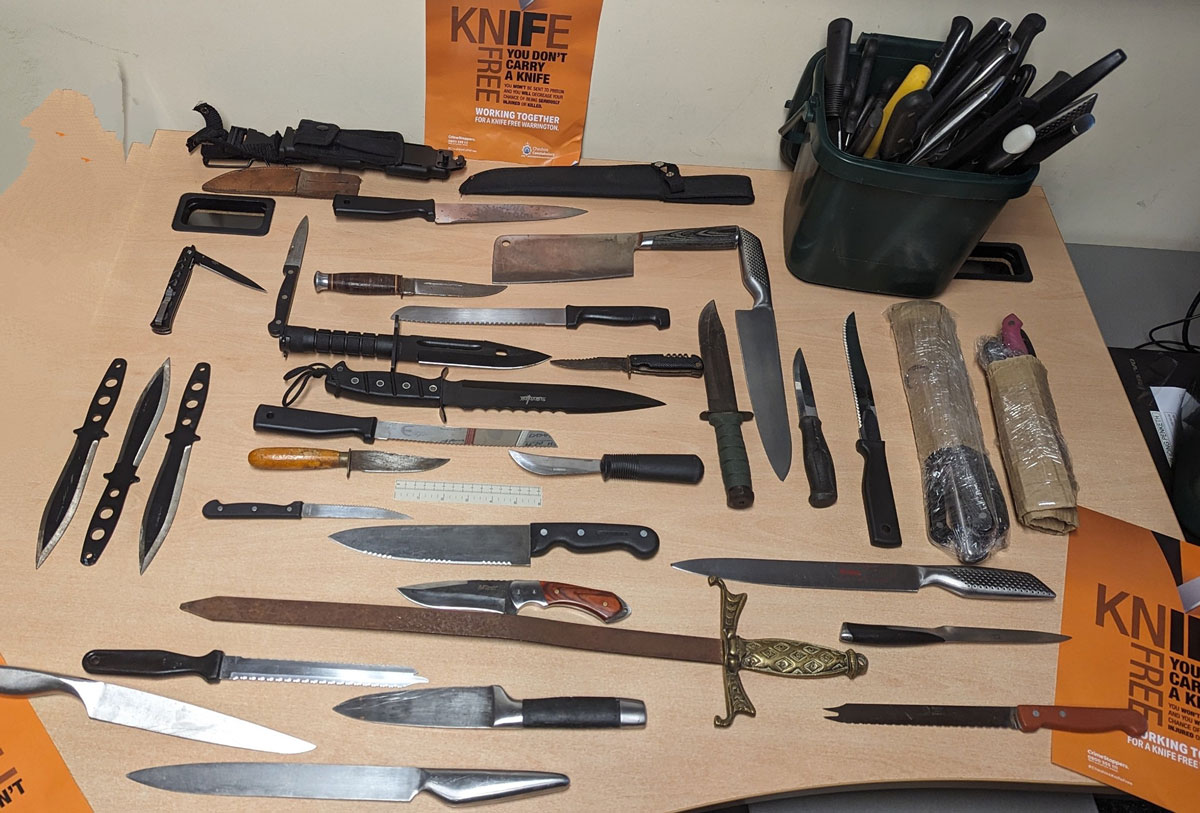
The increasing use of longer blades in the UK, such as kitchen knives and machetes, complicates knife defence further. This trend raises the stakes considerably, making successful disarms highly unlikely. Additionally, the popularity of “zombie knives,” designed for intimidation rather than utility, adds another layer of concern. The reach and force of these weapons severely lower the chances of physically disarming an attacker, highlighting the need for focus on avoidance and mitigation.

Image taken from Cheshire Police website

The Challenge of Multiple Assailants

Knife attacks often involve multiple assailants, complicating the situation even more. Facing one attacker is challenging, but multiple threats make successful disarmament even less likely. This reinforces the importance of focusing on mitigation rather than disarmament. In such scenarios, injury risk increases, making escape and avoidance the top priorities.

Utilizing Everyday Objects for Self-DefenCe

In the UK, where civilians can’t carry weapons for self-defence, using everyday objects becomes essential. Common items can effectively serve as barriers or tools during knife encounters. For example, a sturdy bag can absorb initial attacks, allowing time to escape. Likewise, items like torches (flashlights) can serve as deterrents when directed at an attacker’s eyes, providing a critical chance to flee.

Creative Use of Common Objects

Further, objects like newspapers and magazines can be rolled into makeshift batons, offering additional reach and leverage. While not foolproof, they can deter aggressors and make them reconsider their actions when faced with unexpected resistance.

Understanding Stress Response

It’s important to consider how stress affects our response during an attack. Stress training often fails to mimic the genuine fear experienced in a real knife assault. The adrenaline rush, tunnel vision, and loss of fine motor skills can hinder intricate disarming techniques. Feeling fatigued from training is vastly different from managing real fear and panic in a genuine attack.

The Shift Toward Knife Mitigation

Thus, the focus should shift to knife mitigation—teaching individuals to identify threats, maintain safe distances, and use evasive tactics. This approach enhances situational awareness and equips individuals to de-escalate confrontations before they turn violent. By practicing the use of common objects in self-defence scenarios, individuals gain better preparation for real threats without resorting to illegal means.

Conclusion regarding knife mitigation

In conclusion, while knife disarmament may showcase technical skills in controlled environments, it is not practical for real-world situations. By emphasizing knife mitigation and creative use of everyday items, we prioritize awareness, avoidance, and safety. As self-defence educators, we must equip our students with practical tools that enhance their safety and empower them to navigate threats wisely.

Summary: Norwich remains a safe place to live, as most violence involving blades is drug-related. Choose your circles wisely, if you are worried about knife crime. And finally choose a self defence system that works 😉
How 52 Blocks Differs from Competitive Boxing

52 unconventional boxing for self defence and fitness

How 52 Blocks Differs from Competitive Boxing

While both 52 Blocks and competitive boxing share fundamental elements of striking, their philosophies, techniques, and training methods diverge significantly. Here are some key differences:

1. Focus on Defence:
52 Blocks boxing prioritises defensive techniques, emphasising blocks, evasions, and counters. It often combines various defensive maneuvers to navigate close-range combat effectively.

Competitive Boxing also includes defence, but the main focus is on scoring points through effective strikes while maintaining a strong offensive strategy.

2. Techniques and Movement:
52 Blocks utilizes unconventional angles and movements, incorporating unique aspects like sound distraction and fluid body mechanics.

Competitive Boxing adheres to a more structured approach, focusing on punches like jabs, crosses, hooks, and uppercuts, with specific footwork patterns to facilitate offence and defence.

3. Philosophy and Strategy:
52 Blocks encourages adaptability and creativity, often emphasising how to use the environment and surroundings as part of a defensive system.

Competitive Boxing operates more within the confines of a ring, where strategy revolves around scoring points and outmaneuvering opponents within set rules.

4. Training Environment:
52 Blocks can often be practiced in less formal environments, emphasising street-smart self-defence techniques.

Competitive Boxing is typically trained in a gym setting with sparring partners, focusing on conditioning, strategy, and compliance with competitive regulations.

By understanding these differences, students can appreciate the unique benefits of each style and choose the training path that best suits their goals. For more information regarding 52 Blocks boxing please visit of training page or Lyte Burly website.

Lyte Burly 52 Blocks is coming to the UK

Lyte Burly 52 Blocks is coming to the UK

This is an extremely rare opportunity to train with 52 Blocks legend Lyte Burly. Lyte will be flying in from San Antonio, Texas US in November, and will be available for private sessions as well the excellent value seminars.

Who is Lyte Burly and what is 52 Blocks?

Lyte is a defensive boxing coach who preaches the ethos of ‘Make them miss, make them pay.’ Lyte has been involved with 52 Blocks for the past 20 years, a system that was borne within the American Penal Institutions.

Hence 52 blocks and it’s constituant elements are known by many different names ranging from Jailhouse Rock, Jailhouse Boxing, Comstock, Woodburn, wall fighting and many more. It’s a unique fighting style that developed from a need to survive in prisons, passed down by the older, experienced inmates to those worthy of learning, it is heavily influenced by the prison culture.

It’s trademarks include distinct shuffling methods and excruciatingly effective elbow blocks, lessons learned from an extreme and unforgiving environment!

Why should I learn 52 Blocks?

The system is perfect for self defence, to thwart the attacks from perpetrators with elbow blocks, kicks and much more. 52 blocks focuses on fighting in confined spaces, multiple attacks and weapons. Truly a highly effective system for protecting yourself and others should the necessity arise.

CURIOUS? Better book your place

Traveling to Norwich is much cheaper than flying out to Texas. Places are limited

CLICK HERE

Multiple attackers seminar with Tommy Joe Moore & Brett Mackenzie

Multiple attackers seminar with Tommy Joe Moore & Brett Mackenzie

One of the biggest threats to end your night out is to get involved in a wolf pack (Multiple Attacker scenario). Sadly, these days it’s common and the terminology used in class is ‘Plus One’ or ‘Buddies and Blades’ (B&B’s).

Having worked in the security industry for many years in Great Yarmouth and Norwich. I have been involved in many a multiple altercation. Where an argument with a friend or a random manifests into something far more serious.

The Multiple Attacker seminar will have scenarios set up with their own unique dangers, signs and behaviours. Get clued up and explore some TTP (techniques, tactics, procedures) that will help you examine the subject more deeply with skills, drills, thought provocations and signposts to further learning.

Spring is in the air at Viking Combatives school of self defence – Norwich

Spring is in the air and the shutter is up at Viking Combatives school of self defence

Spring is in the air at Viking Combatives school of self defence – Norwich

It’s been a funny couple of years at the club, but finally we are seeing hope at the end of the COVID pandemic. We have got a great following of very loyal students who kept the club alive during it’s darkest hours. So what has 2022 got to throw at us? War in Ukraine and rising fuel costs and energy bills LOL. It will be a breeze!

So what has changed at the club over the past two years. Firstly, we invested a fair amount at the club to provide great facilities. We even purchased a long shot project and 200″ screen for zoom classes.

BARTITSU, IAIJUTSI & 52 BLOCKS


Due, to social distancing we spent a lot of time focusing on weapons. From FMA (Modern Arnis) to Iaijutsi (Japanese sword) joining the YNBK association. Iaido is something I have wanted to learn for a long time and during lockdown we made new associations with Jason Hulott. It is nice to offer a form on traditional martial art that sits alongside the self defence training.

We also team up with Tommy Joe Moore from Bartitsu Lab who provided some great lessons from WW2 combatives to victorian period British Martial Art of Bartitsu. It’s always important to train with other disciplines, during COVID we have earn’t stacks and we offer a truly unique martial arts group in Norwich.

Finally, we team up with Lyte Burly and David Wells to learn 52 Blocks a defensive style of boxing which was born from the American prison system. 52 Blocks is a black American boxing style which is ideal for learning to fight in.

Fight Like your Grandad with Tommy Joe Moore

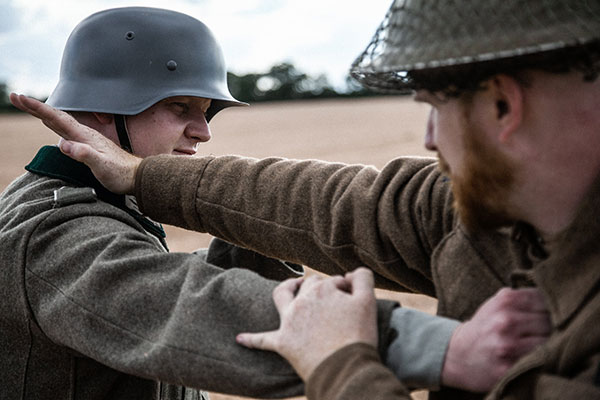
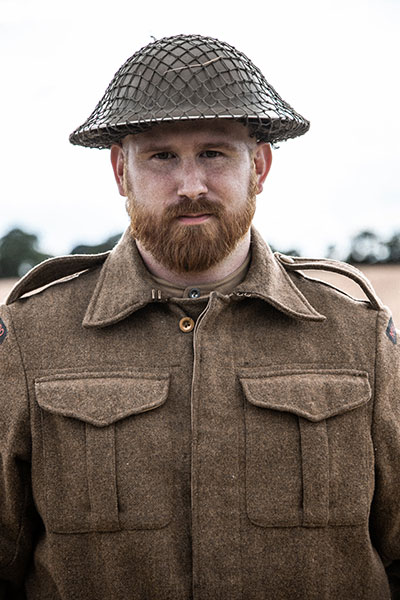
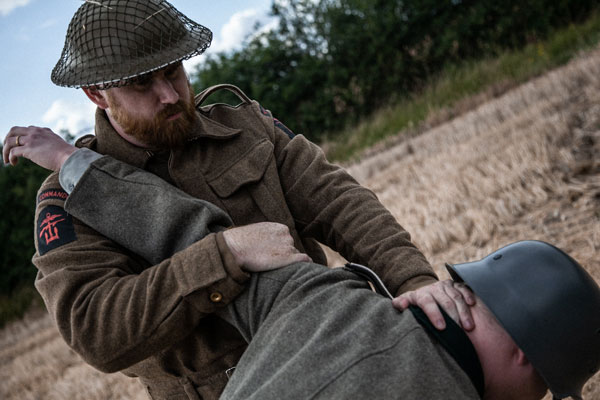
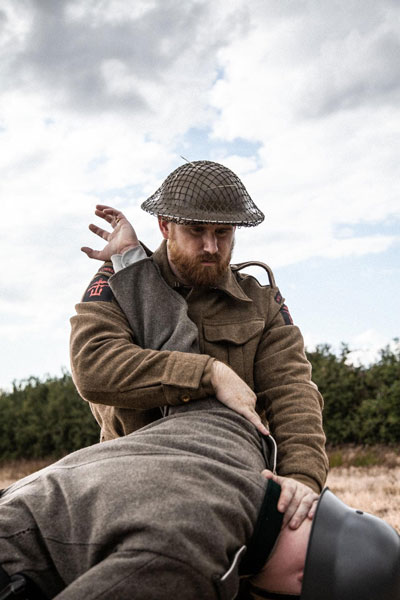
Tommy demonstrating an edge of hand strike to the throat

Fight Like your Grandad with Tommy Joe Moore

So, finally third time lucky. We have been trying to arrange this for the past year, unfortunately had to cancel because of the COVID situation. Now is your chance to finally meet Tommy Joe Moore from Bartitsu Lab, he’s an author of two books ‘The Shanghai School of Street fighting‘ and ‘Modern Bartitsu Scientific Street fighting for Ladies and Gentleman‘.

Tommy is a well respected UK Combative teacher and has quite a YouTube following. An avid historian he has a great interest in historical martial arts, in a previous career he qualified as a history teacher. His Grandad was a Commando in WW2 and was lucky enough to have first generation access to Fairbairn’s training methods and techniques.

He’s a lifelong martial artist and is a Bartitsu coach, boxer and savateur. He lives and breathes combat sports, self defence, HEMA and enjoys learning shooting with Viking Combatives too.

What the workshop will cover:

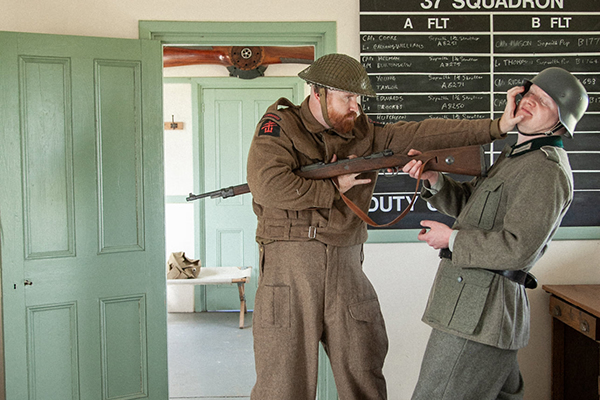
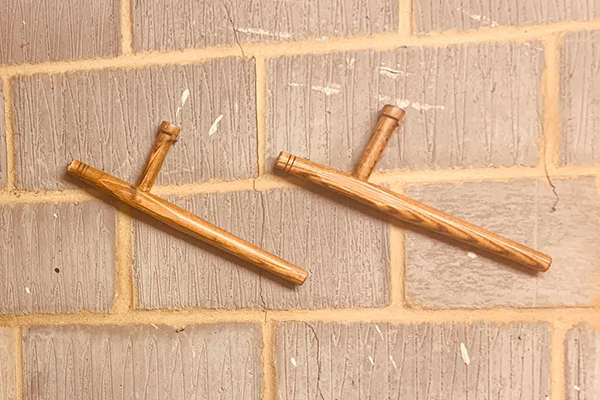
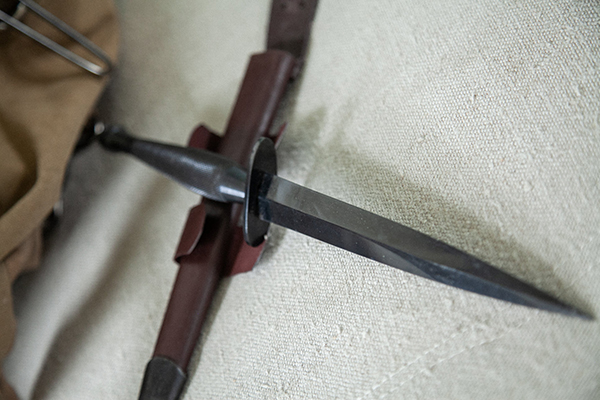
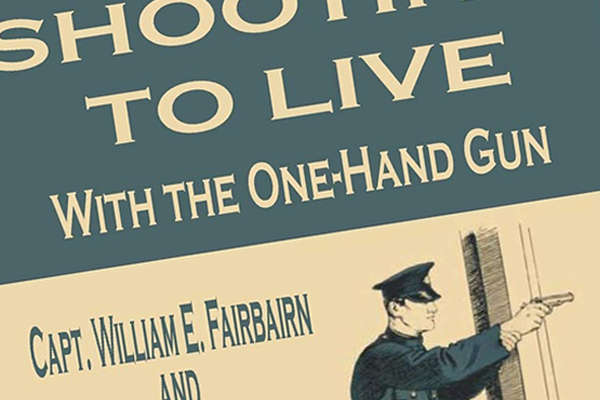
Train in a weekend of WW2 combatives with Tommy Joe Moore and Brett Mackenzie. Get the full SOE experience as you learn the various armed and unarmed combatives of the second world war. Explore how the techniques, principles, weapons and strategies were taught and used.  

UNARMED

STICK

FS Knife / Smatchet

Pistol

SOE Special weapons

INTERESTED? WE HAVE A WORKSHOP 14/15th AUGUST IN THETFORD

Viking Combatives
Privacy Overview

This website uses cookies so that we can provide you with the best user experience possible. Cookie information is stored in your browser and performs functions such as recognising you when you return to our website and helping our team to understand which sections of the website you find most interesting and useful.